

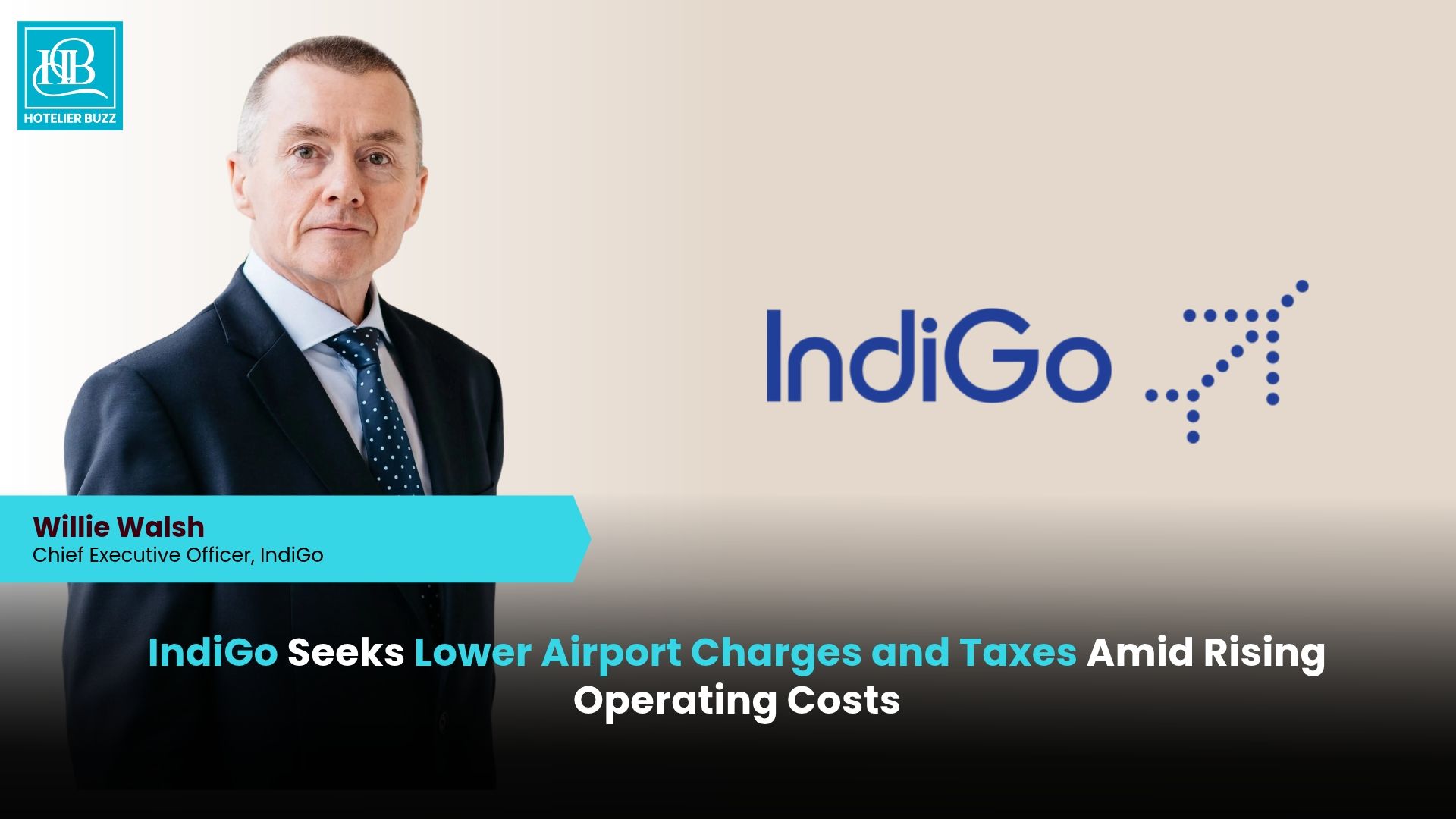
Rising jet fuel prices and airport expenses are adding pressure to IndiGo’s finances, with CEO Willie Walsh calling for measures to improve the cost competitiveness of Indian aviation.
NEW DELHI: IndiGo has called for lower taxes and airport charges as rising jet fuel prices and increasing airport costs put pressure on the airline’s operating finances. Chief Executive Officer Willie Walsh has warned that the aviation industry is likely to face significant cost challenges in the near term, with elevated fuel prices remaining a major concern.
Walsh said jet fuel prices are expected to remain high over the coming months. The crack spread, which represents the difference between crude oil prices and refined jet fuel prices, has increased to around 65%, compared with a historical average of approximately 22% between 2000 and 2025. Disruptions to refining capacity, particularly across Europe and the Middle East, have contributed to the increase.
Fuel Prices Continue to Pressure Airline Costs
Fuel accounts for more than 40% of IndiGo’s operating costs, leaving the airline particularly exposed to sustained increases in prices. Walsh said the airline would absorb as much of the additional cost as possible, although continued increases in fuel prices could eventually put pressure on airfares.
IndiGo reported a net loss of Rs 1,879.1 crore in the second quarter of FY27, partly attributed to higher fuel costs and the depreciation of the rupee. The financial performance reflects the impact of rising operating expenses on the airline amid an increasingly challenging cost environment.
The elevated crack spread has added to the pressure on airlines, as refined jet fuel prices have risen disproportionately compared with crude oil. The disruption to refining capacity in key regions has been a contributing factor.
IndiGo Calls for Lower Airport Charges and Taxes
Alongside fuel costs, Walsh highlighted the need to address airport charges and taxes to improve the cost competitiveness of India’s aviation sector.
Airport charges at IndiGo increased by around 4% in the second quarter compared with the first quarter, adding to the airline’s operating expenses. The airline has called for lower charges and taxes as part of efforts to manage the overall cost of operations.
The appeal comes as airlines continue to navigate higher input costs, with fuel and airport-related expenses accounting for significant components of their operating expenditure.
Airline Reviews Fuel Hedging Policy as Expansion Plans Continue
IndiGo does not currently hedge its fuel requirements but is reviewing its policy, with the airline’s board expected to assess the matter. Any potential change would come as the carrier evaluates ways to manage exposure to fuel price volatility.
Despite the cost pressures, IndiGo is preparing for its next phase of fleet and network expansion. Deliveries of its Airbus A350 aircraft are scheduled to begin in the second quarter of 2028, marking a further step in the airline’s long-term growth plans.
Walsh also identified the upcoming Navi Mumbai International Airport as a potential opportunity for the airline. The new airport could provide additional scope for IndiGo’s operations as it continues to evaluate future growth opportunities.
With fuel prices, airport charges and currency movements continuing to influence airline economics, IndiGo’s call for lower aviation-related costs highlights the importance of operating expenses in maintaining the competitiveness of India’s aviation market.
