

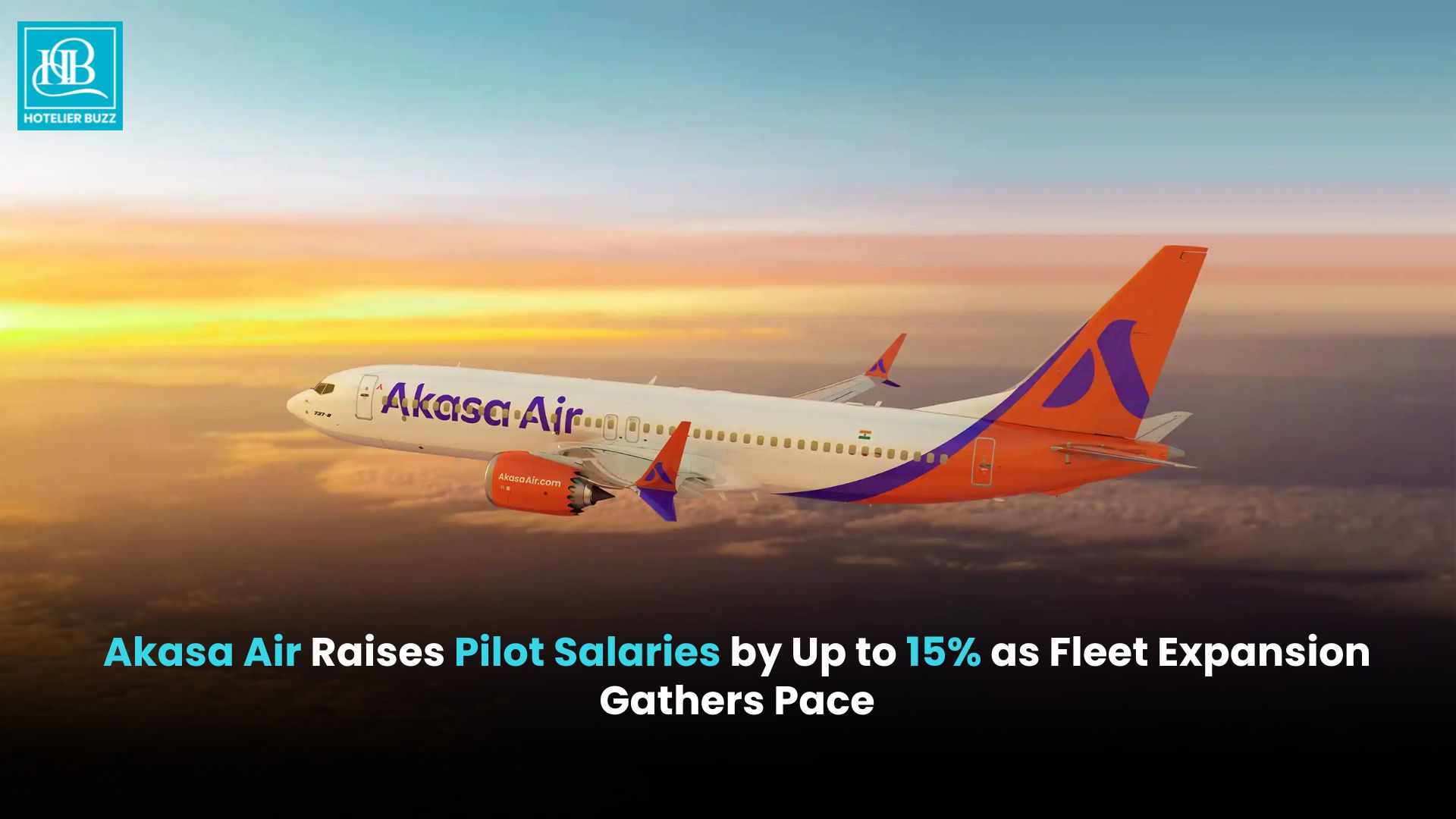
The revised pay structure will take effect from January 1, 2027, covering all eight pilot grades as the airline prepares to induct more aircraft.
New Delhi: Akasa Air has increased pilot salaries by up to 15% as it looks to retain its flying workforce while preparing for faster expansion. The revised compensation structure will come into effect on January 1, 2027.
The changes will cover all eight pilot grades, from first officers to designated examiners, with fixed monthly salaries set to increase across the categories.
The salary revision comes as the airline continues to expand its fleet and prepare for additional aircraft deliveries. Akasa inducted its 14th aircraft of the year on Tuesday, taking its fleet size to 45. It plans to add another eight aircraft by the end of the current financial year and has 181 aircraft on order.
Fleet Expansion Drives Pilot Retention Priorities
Akasa Air is backed by the family of late billionaire Rakesh Jhunjhunwala, along with the family offices of Wipro owner Azim Premji and Manipal Group owner Ranjan Pai. An airline spokesperson did not respond to queries on the salary revision.
The pay revision comes at a time when Indian carriers are preparing for significant fleet additions despite high aviation fuel prices and their impact on growth. IndiGo, Air India Express and Akasa Air are expected to induct more than 100 aircraft from next year.
Airline executives have indicated that carriers will seek to retain existing pilots while continuing recruitment, as training new pilots and making them eligible for commercial flying takes time. Trainee first officers require around six months of training before becoming first officers.
Pilot Availability Remains a Key Operational Requirement
Building the pilot workforce requires continuous training and progression through different flight roles. First officers become eligible for promotion to captain after completing a minimum of 1,500 flying hours, although individual airlines may set higher requirements.
Directorate General of Civil Aviation (DGCA) regulations require airlines to maintain three sets of pilots, comprising one captain and one first officer per aircraft. The requirement can be more than twice that for IndiGo because of the airline’s higher aircraft utilisation.
The salary increase reflects the importance of retaining experienced pilots as airlines prepare for fleet expansion and increased operational requirements.
