
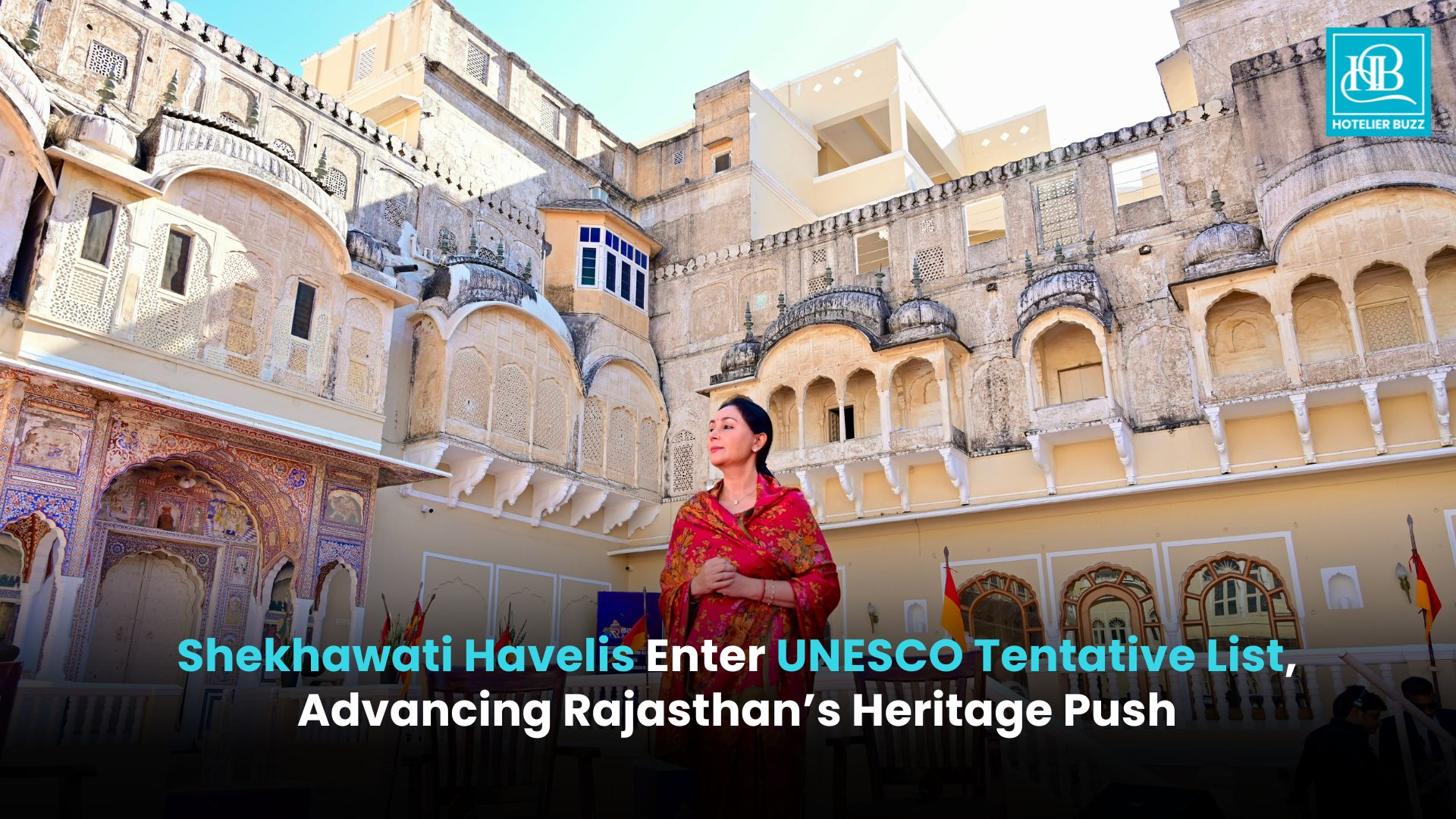
The historic havelis of Rajasthan’s Shekhawati region have been included in UNESCO’s Tentative List, marking a significant step towards a potential World Heritage nomination for the region’s distinctive architecture and fresco heritage. The proposal covers historic havelis and heritage properties across 14 towns in Shekhawati.
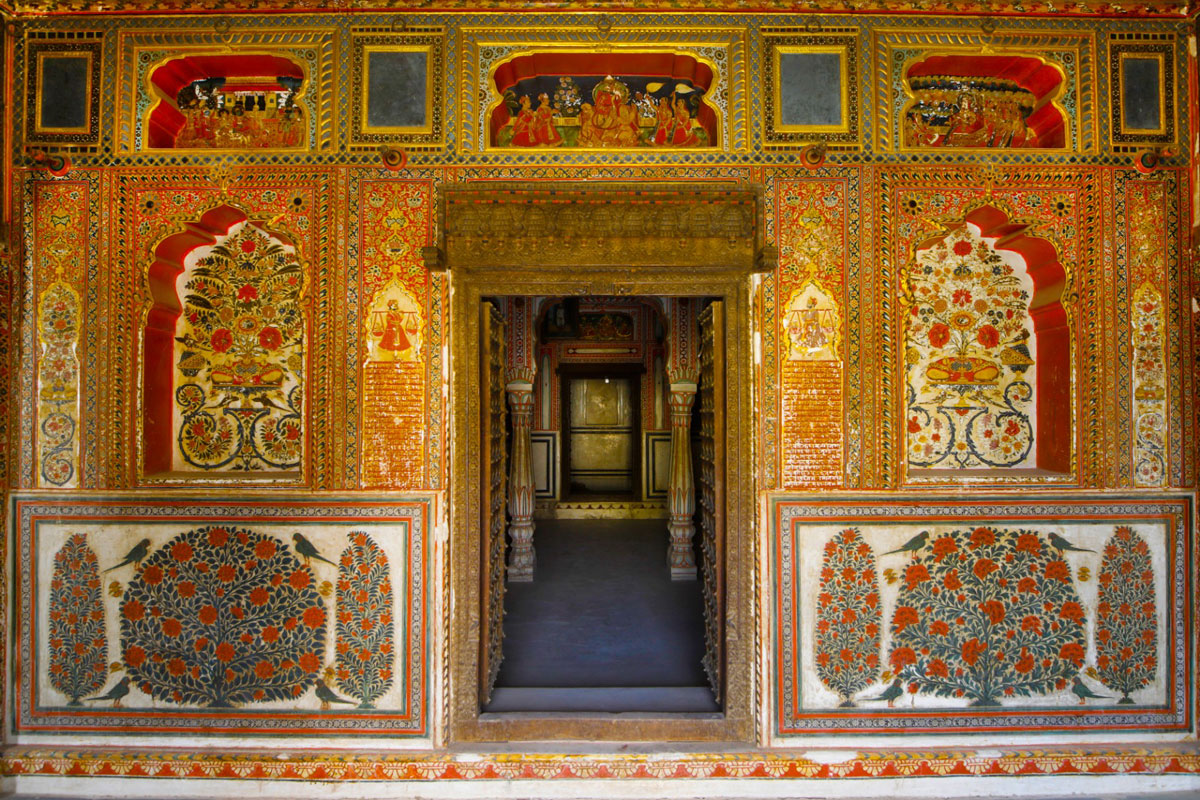
The inclusion brings international attention to a concentration of painted mansions known for elaborate façades, courtyards, gateways and interiors decorated with detailed frescoes. The development is also expected to support efforts around heritage conservation, restoration and sustainable tourism across the region.
14 Shekhawati Towns Covered
The proposal encompasses heritage properties across Alsisar, Bissau, Chirawa, Churu, Dundlod, Fatehpur, Jhunjhunu, Khetri, Laxmangarh, Mandawa, Mahansar, Nawalgarh, Ramgarh and Sikar.
Located in northeastern Rajasthan, Shekhawati is particularly known for its large collection of havelis built mainly by merchant families. The properties represent a distinctive architectural tradition, with their painted exteriors and interiors forming an important part of the region’s built heritage.
The scale and concentration of these properties have contributed to Shekhawati’s identity within Rajasthan’s architectural landscape and established towns such as Mandawa, Nawalgarh and Fatehpur as important stops on the state’s heritage tourism circuit.
Frescoes Document Regional History
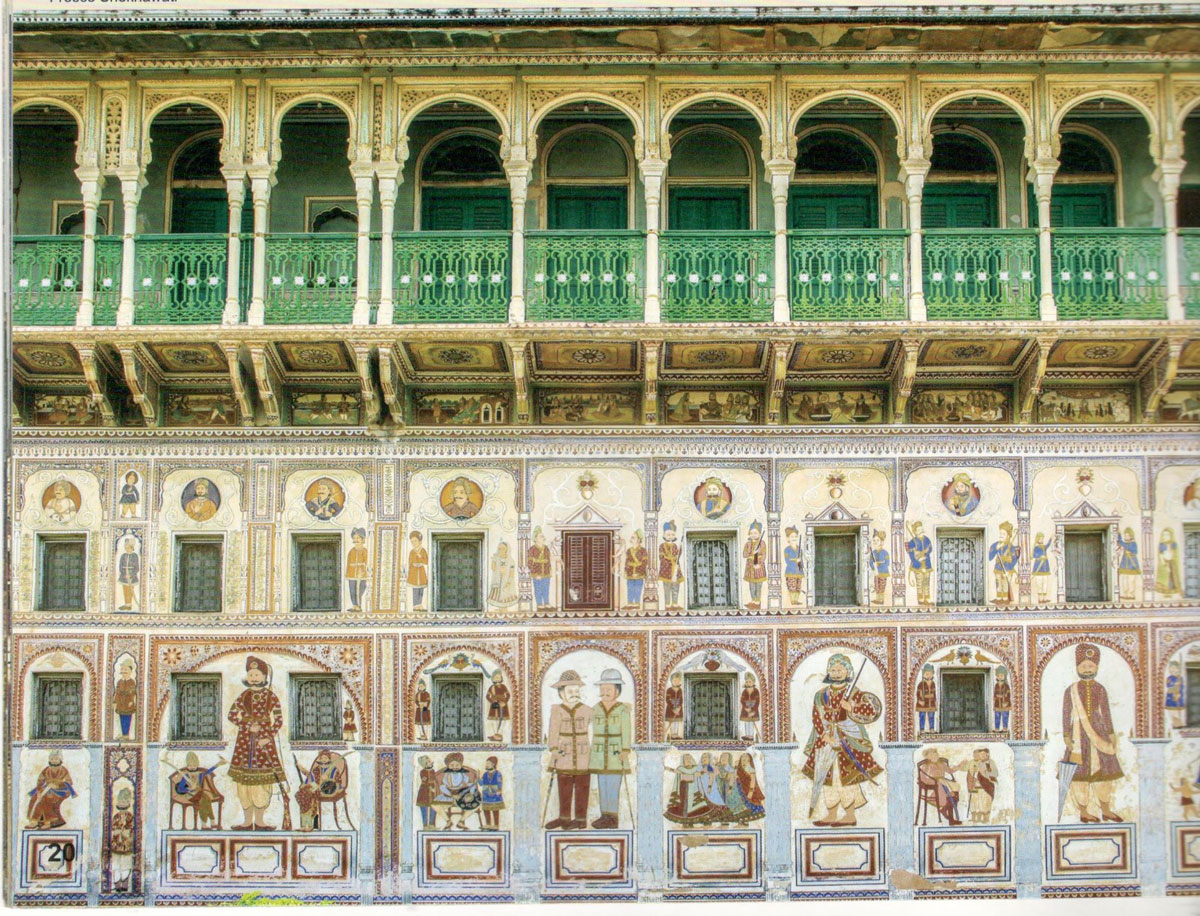
The frescoes found across Shekhawati’s havelis provide a visual record of the region’s social and cultural history. Their subjects range from religious and mythological themes to portraits, scenes of everyday life, flora, fauna and traditional decorative motifs.
The paintings also document changes that reached the region during the 19th and early 20th centuries. Several murals depict new forms of transport, evolving lifestyles and external cultural and technological influences, offering a record of the changes taking place in the region during the period.
The combination of architectural features and extensive painted decoration gives Shekhawati’s heritage properties a character distinct from many of Rajasthan’s other historic buildings.
Tentative List Marks Preliminary UNESCO Stage
Inclusion on the UNESCO Tentative List represents an initial stage in the process of seeking World Heritage status. Properties must first be placed on a country’s tentative list before they can be considered for formal nomination to the UNESCO World Heritage List.
The development is therefore expected to encourage further documentation, conservation and restoration of historic buildings across Shekhawati. It also places greater emphasis on the sustainable management of the region’s heritage resources.
The recognition provides an opportunity to strengthen awareness of Shekhawati’s historic settlements, traditional streetscapes and painted mansions among international heritage and tourism audiences.
Rajasthan Sees Heritage Tourism Opportunity
Deputy Chief Minister of Rajasthan Diya Kumari said the inclusion represents an important milestone in the state’s efforts to secure international recognition for Shekhawati’s architectural and cultural heritage.
“The inclusion of Shekhawati’s historic havelis in the UNESCO Tentative List is a matter of pride for Rajasthan. It strengthens our efforts to preserve this extraordinary heritage and present it to the world, while also creating new opportunities for heritage tourism and local communities,”
she said.
Kumari also said the Rajasthan government has been working towards the conservation, restoration and international promotion of the state’s cultural heritage, with support from the central government.
Potential Boost for Local Communities
The inclusion could strengthen Shekhawati’s positioning within the international heritage tourism market by drawing attention to its historic architecture, painted mansions and traditional urban settlements.
The Government of Rajasthan is looking to combine heritage conservation with sustainable tourism development, with the potential to create greater economic opportunities for communities involved in tourism, crafts and heritage-related services.
The move also forms part of the state’s broader effort to expand global recognition of Rajasthan’s built and cultural heritage beyond its established forts, palaces and historic cities. For Shekhawati, the Tentative List inclusion provides a platform for greater conservation focus and potentially wider international tourism interest.
